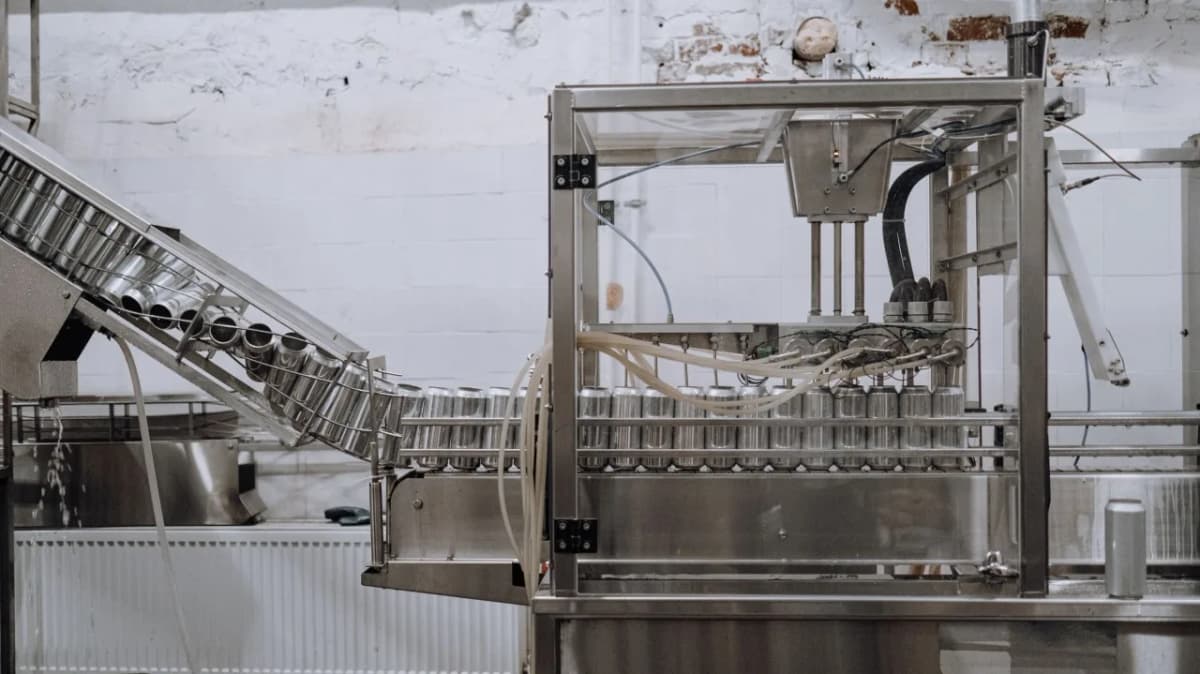
The 15 Stages Where Something Can Go Wrong (And Where Most Operations Are Exposed)
Most food manufacturers think about production risk in terms of the big moments. The equipment failure. The supplier that ships the wrong ingredient.
Most food manufacturers think about production risk in terms of the big moments. The equipment failure. The supplier that ships the wrong ingredient.
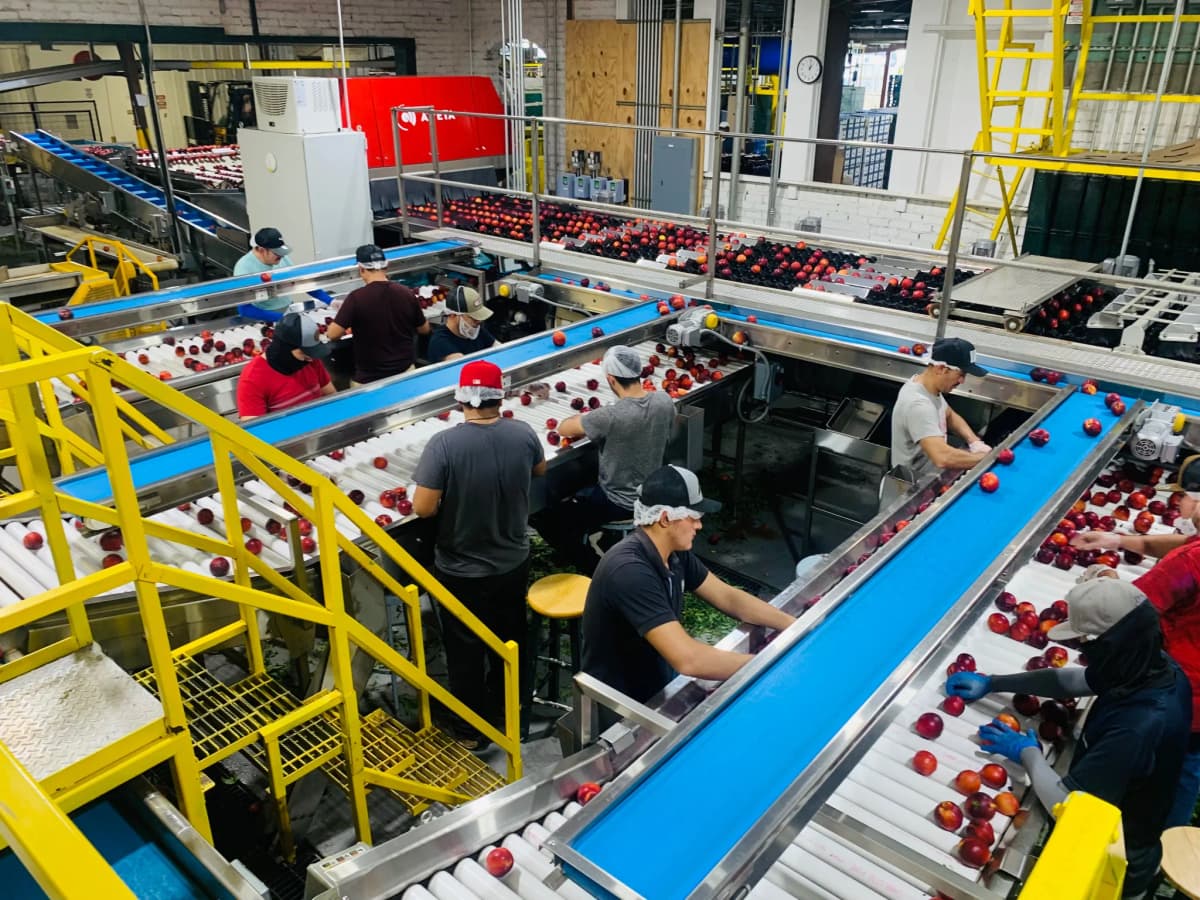
There's a moment in every food manufacturing operation where a workaround stops being a workaround. It happens slowly.
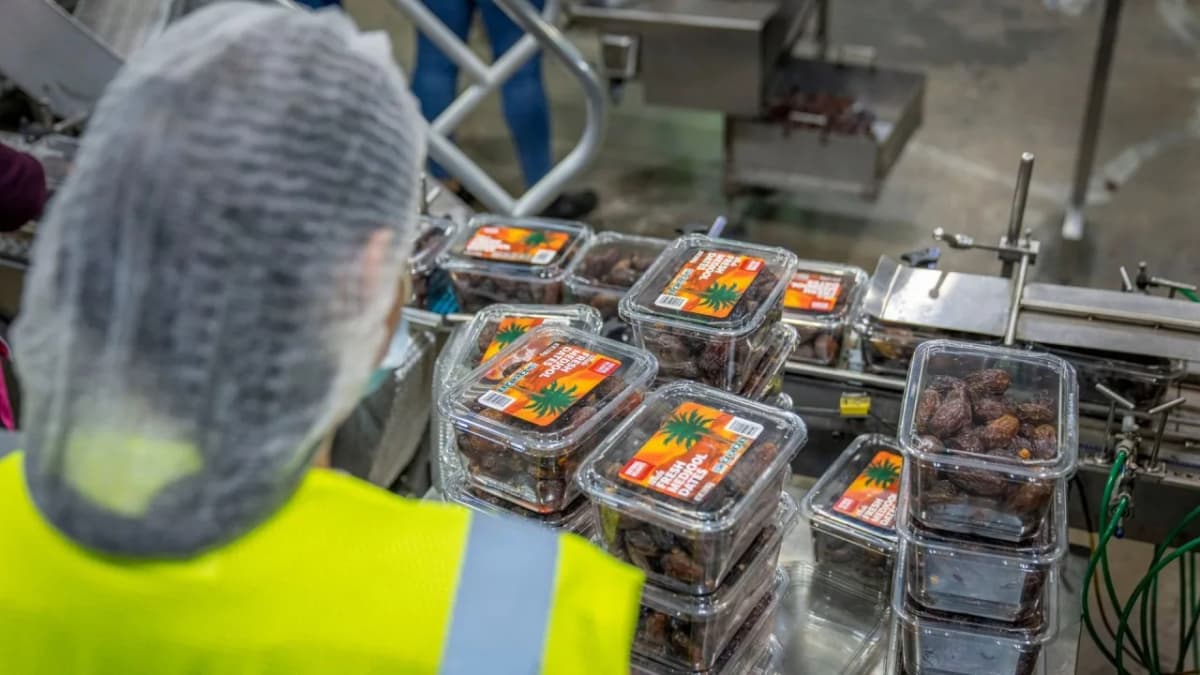
Most food manufacturers think about recalls in terms of product. Which lot is affected. How much is out there. How quickly it can come off shelves.

There's a moment that happens in almost every growing food manufacturing operation. It's not dramatic. It doesn't announce itself.

Every year, around the same time, the same thing happens. Demand spikes. The plant scrambles. Emergency or short orders go out.
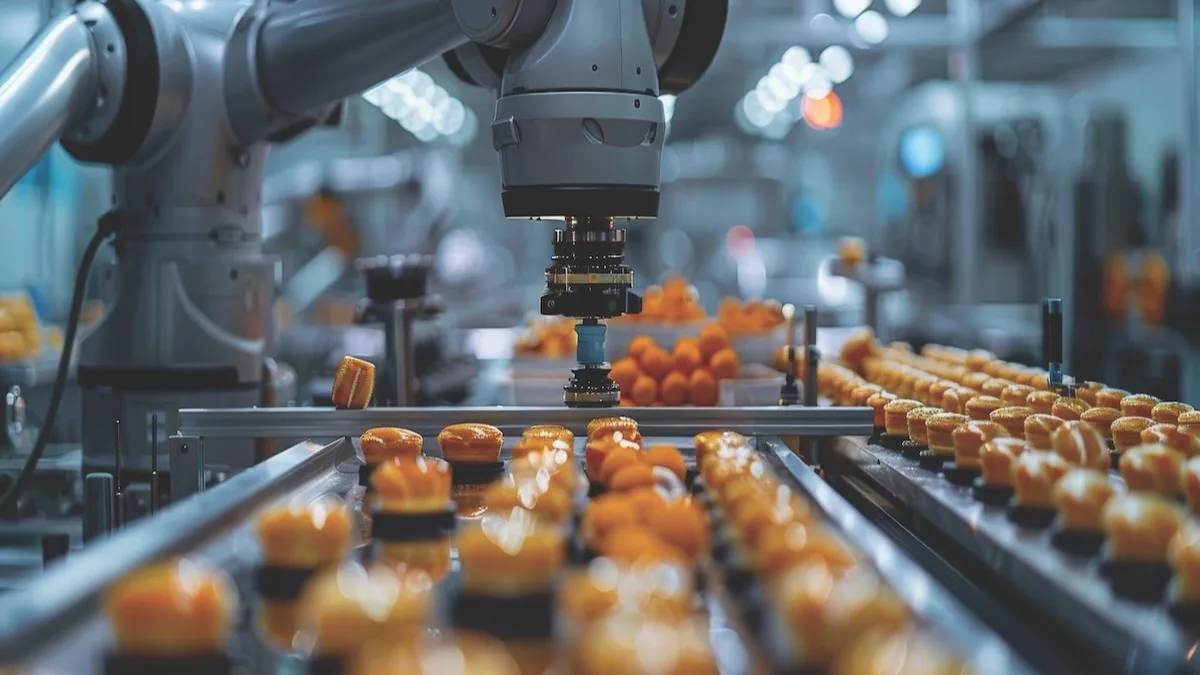
A plant manager I know spent eight months evaluating AI forecasting tools last year. Demos. Proposals. Reference calls.
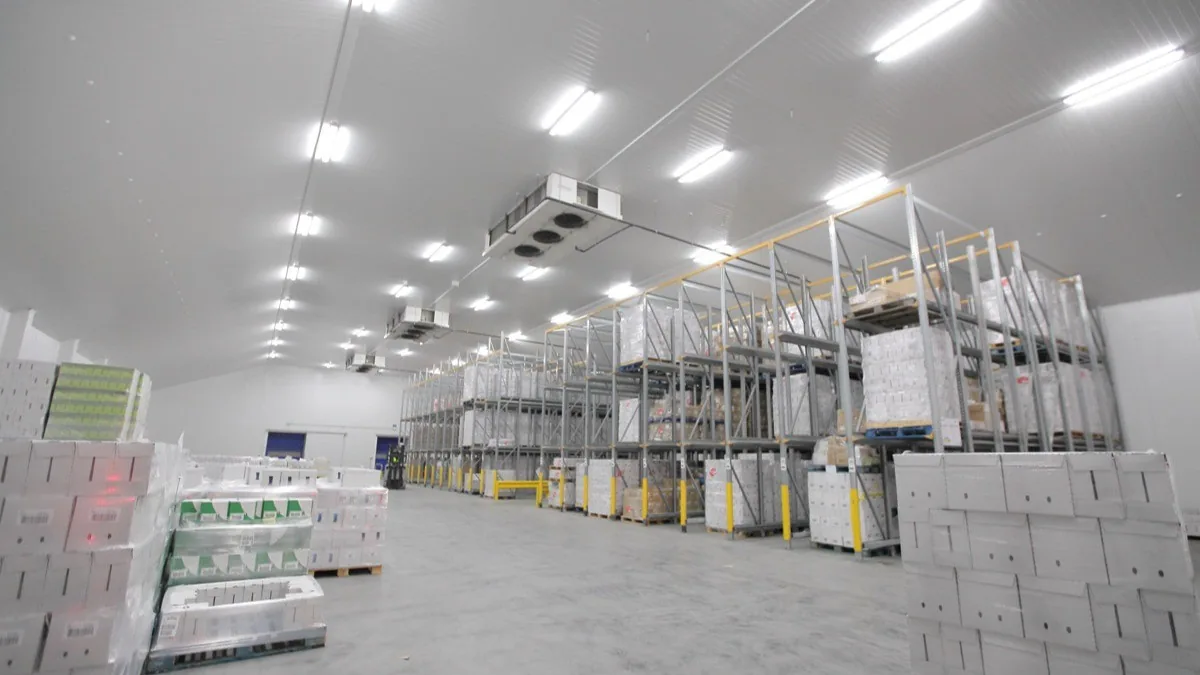
It's a simple question. Not what should be there according to the system. Not what was there at the end of last shift.
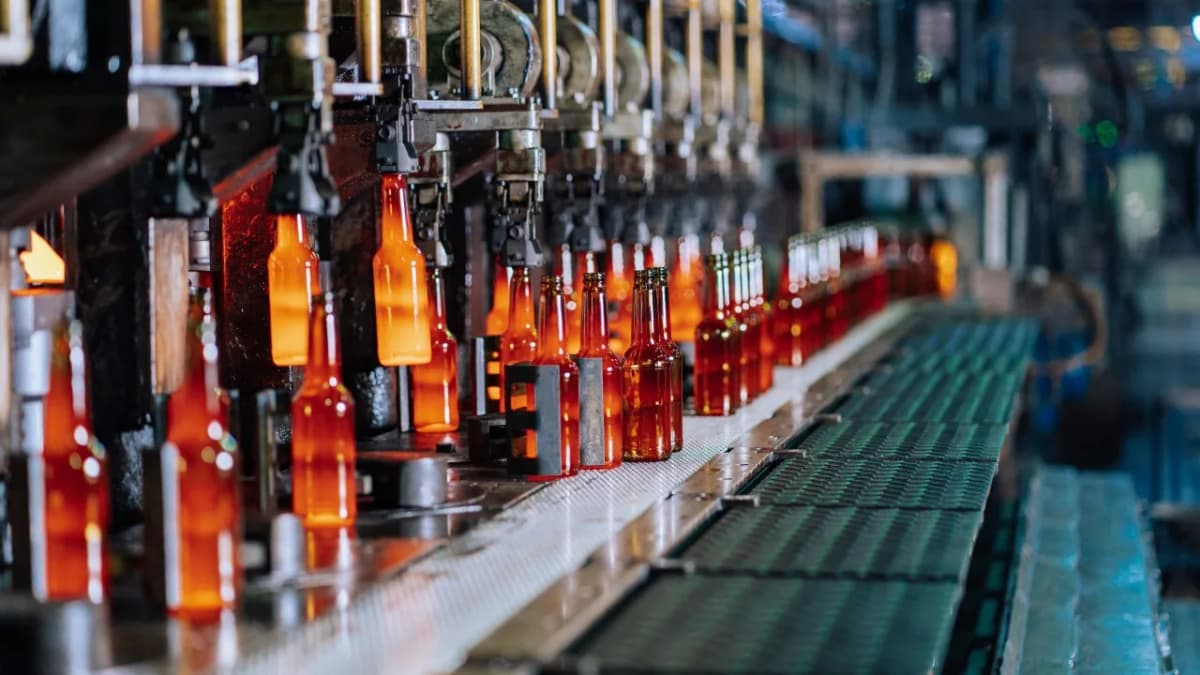
There's a particular kind of founder in the beverage industry. They can tell you exactly why they source their hops from one specific region.

It usually starts the same way. Someone pulls a plant manager aside on a Friday afternoon. Quiet conversation. Grateful for everything.
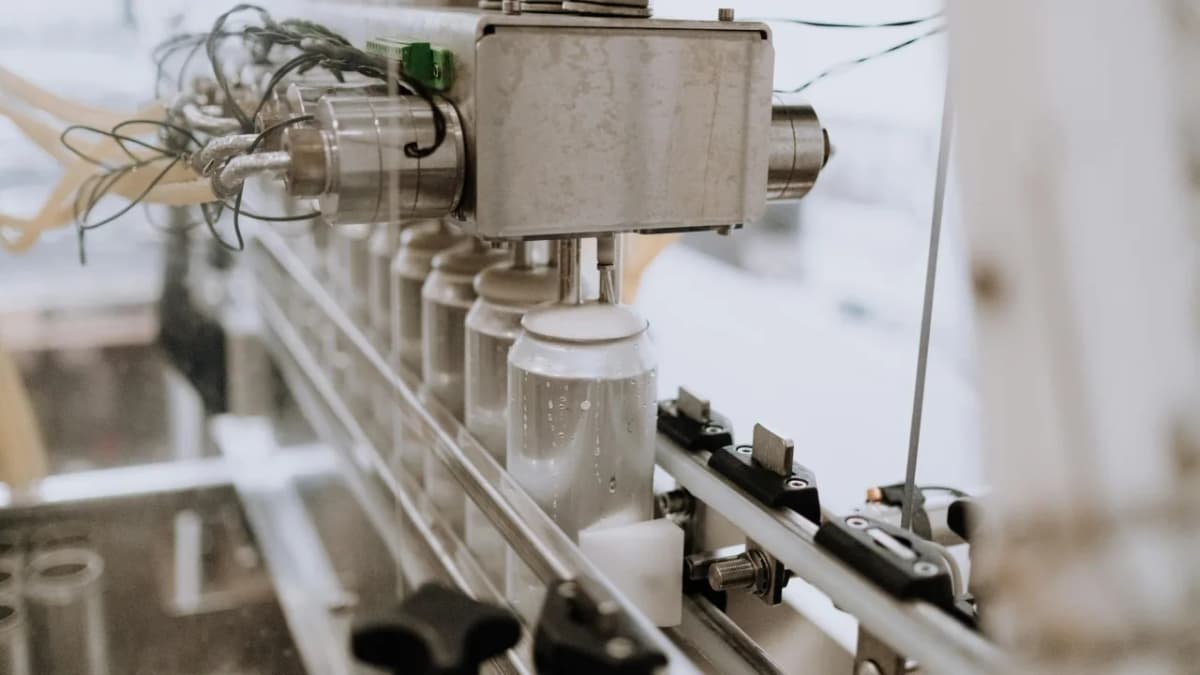
There's a conversation happening in food manufacturing right now and it goes something like this. AI is coming. It's going to transform production planning.

Nobody talks about it as a problem because it doesn't feel like one. The inventory count gets done at end of shift.
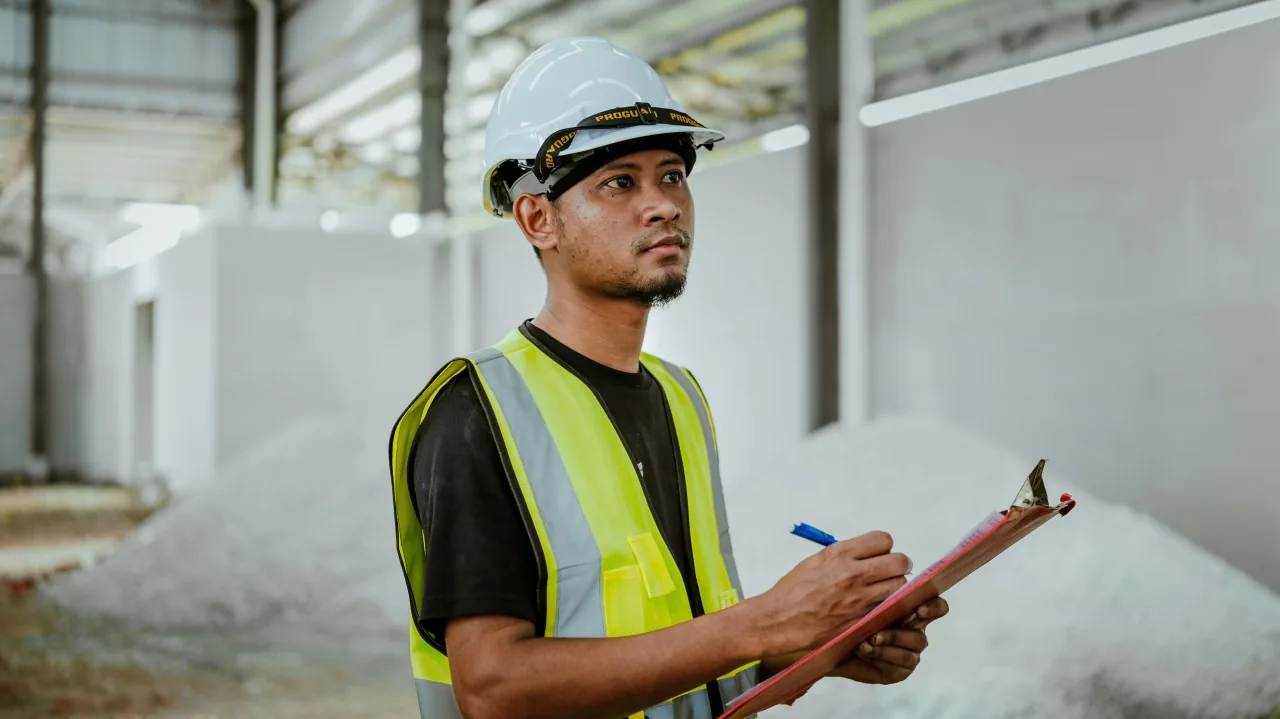
It's 7:03 AM. The day supervisor walks in, and the first question out of her mouth is the same one she asks every single morning: "How did last night go?"

Picture this: It's Thursday afternoon. Your plant manager is heads-down at their desk. Not walking the floor. Not solving a production problem.

It's 2 PM on a Friday. Your best operator isn't on the line. They're in the warehouse, clipboard in hand, counting pallets.
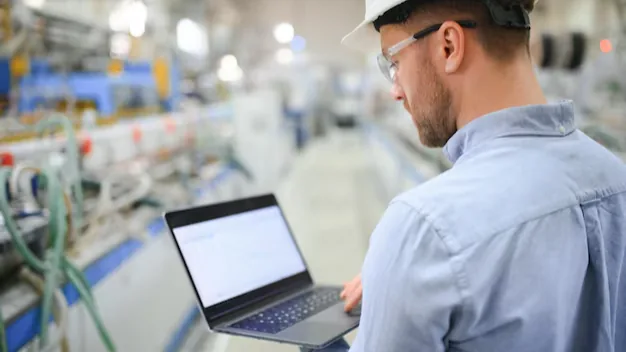
At some point, every plant manager has that Monday morning moment: "We need to adjust the schedule." It doesn't sound like a big ask.
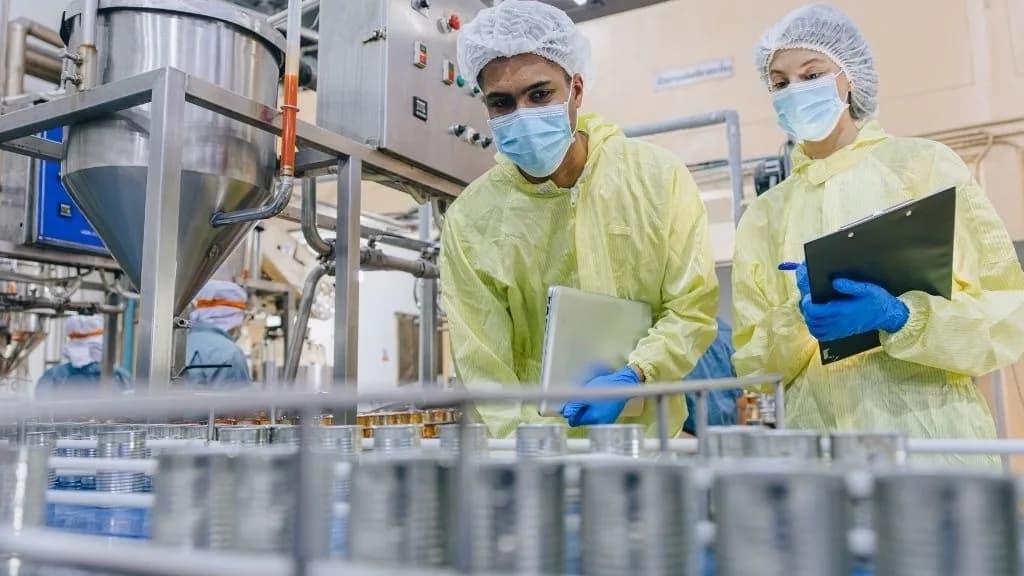
It starts with a phone call. Not a scheduled one. The kind that comes in on a Tuesday morning while your team is mid-shift, and the voice on the other end…

Have you or your team encountered this message before? "Can you send over the production report?" It doesn't sound like a big ask. It rarely is, on its surface.

At some point, every food plant gets tested. Not during a smooth production run. Not when everything is on schedule.

If you walk into most food plants today, you will still find the operation being held together by spreadsheets, whiteboards, binders, and sticky notes.
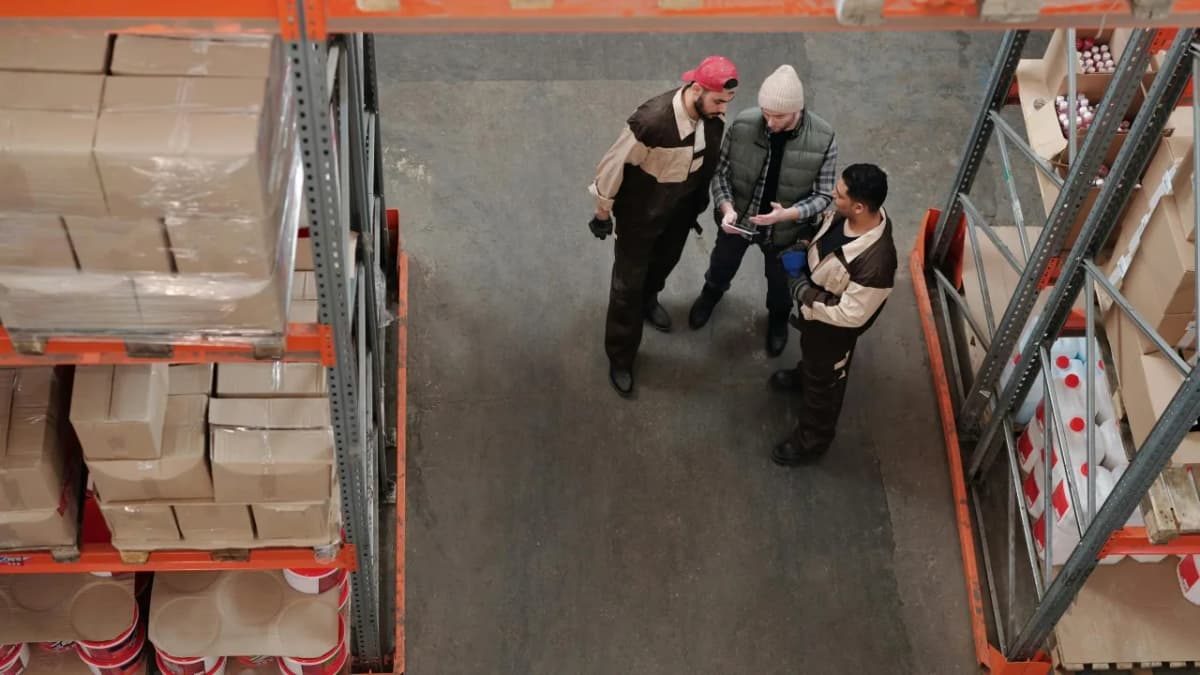
If you are leading operations inside a growing food plant, you have probably experienced this before. Inventory is off again.

Separating myth from fact: you don't need data scientists to use AI in food manufacturing. Learn how modern AI tools are built for operators, not engineers.
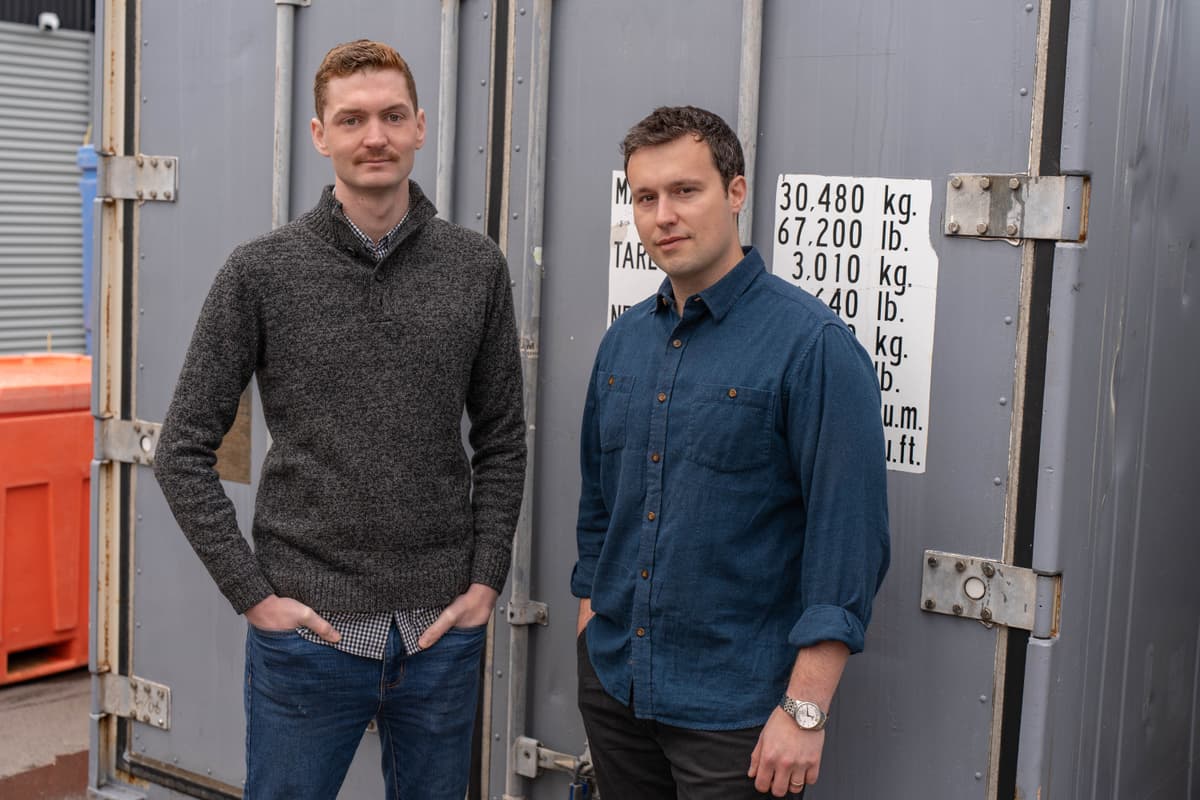
Tracktile raises $1.25M to bring enterprise-grade AI to SMB food manufacturers, delivering real-time insights, automation, and predictive intelligence to modernize operations.

AI adoption in food manufacturing is creating a widening competitive gap. Early adopters are saving millions — learn why waiting is the riskiest strategy.

50% of food companies are planning to invest in AI next year. It's not just a headline-grabbing attention. It’s a shift happening in food and beverage.

Labour challenges in the food and beverage manufacturing industry are massive. Automation can help with this, enabling the staff you have to do more.

Visibility into your manufacturing operation is key to improving profitability. Start small, expand and see the results.

Learn how manufacturing analytics and real-time data insights can replace unnecessary meetings, helping food and beverage teams make faster, smarter decisions.
Explore how food and beverage manufacturers can harness data analytics to track the metrics that matter, optimize operations, and drive profitability.
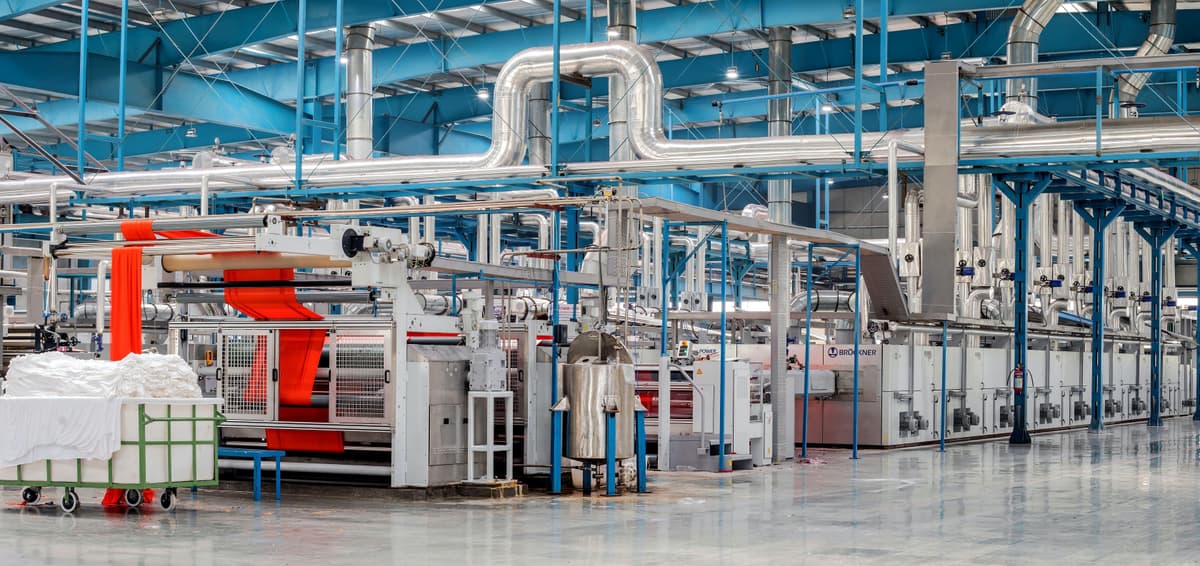
Discover how integrating ERP, MRP, MES, and QMS into a unified platform helps food manufacturers centralize operations, improve quality, and stay competitive.

Uncover common ERP gaps in food and beverage manufacturing — from incomplete integrations to poor traceability — and learn practical solutions to close them.

The $575,000 investment will fuel the company's mission to empower manufacturers with complete visibility into their operations.

Integrating new software into a manufacturing process may pose initial challenges, but these obstacles are a positive sign of growth and point towards a promising future.
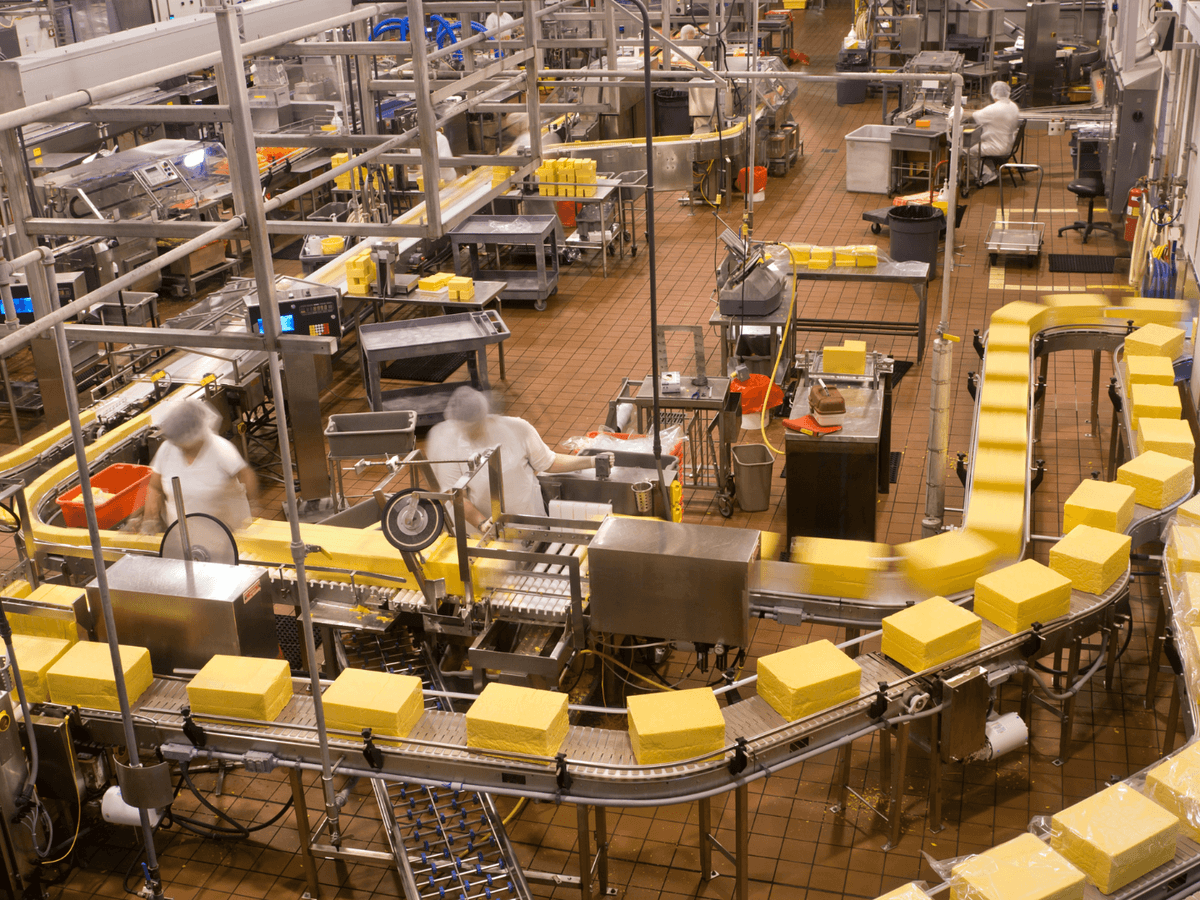
Discover key strategies for managing raw materials, ingredients & packaging. Harness the power of automation for optimized inventory in food manufacturing.

Discover why automation and technology transform food and beverage manufacturing with efficient orders and shipping.

Lot and batch tracking in Food and Beverage has never been more important than it is today. Traceability is a must!

Discover how MRP and ERP automation helps food manufacturers reduce spoilage, prevent overproduction, and maintain compliance while improving profitability.

The importance of yield tracking in the food and beverage industry, its challenges, and how automation software can revolutionize this crucial aspect.

Discover how the cost of goods sold (COGs) impacts food manufacturers and how shifting to automation can optimize costs and efficiency.

Explore how automation is revolutionizing food manufacturing for a sustainable future. Discover solutions to industry challenges.