When the Workaround Becomes the Job
There's a moment in every food manufacturing operation where a workaround stops being a workaround. It happens slowly.
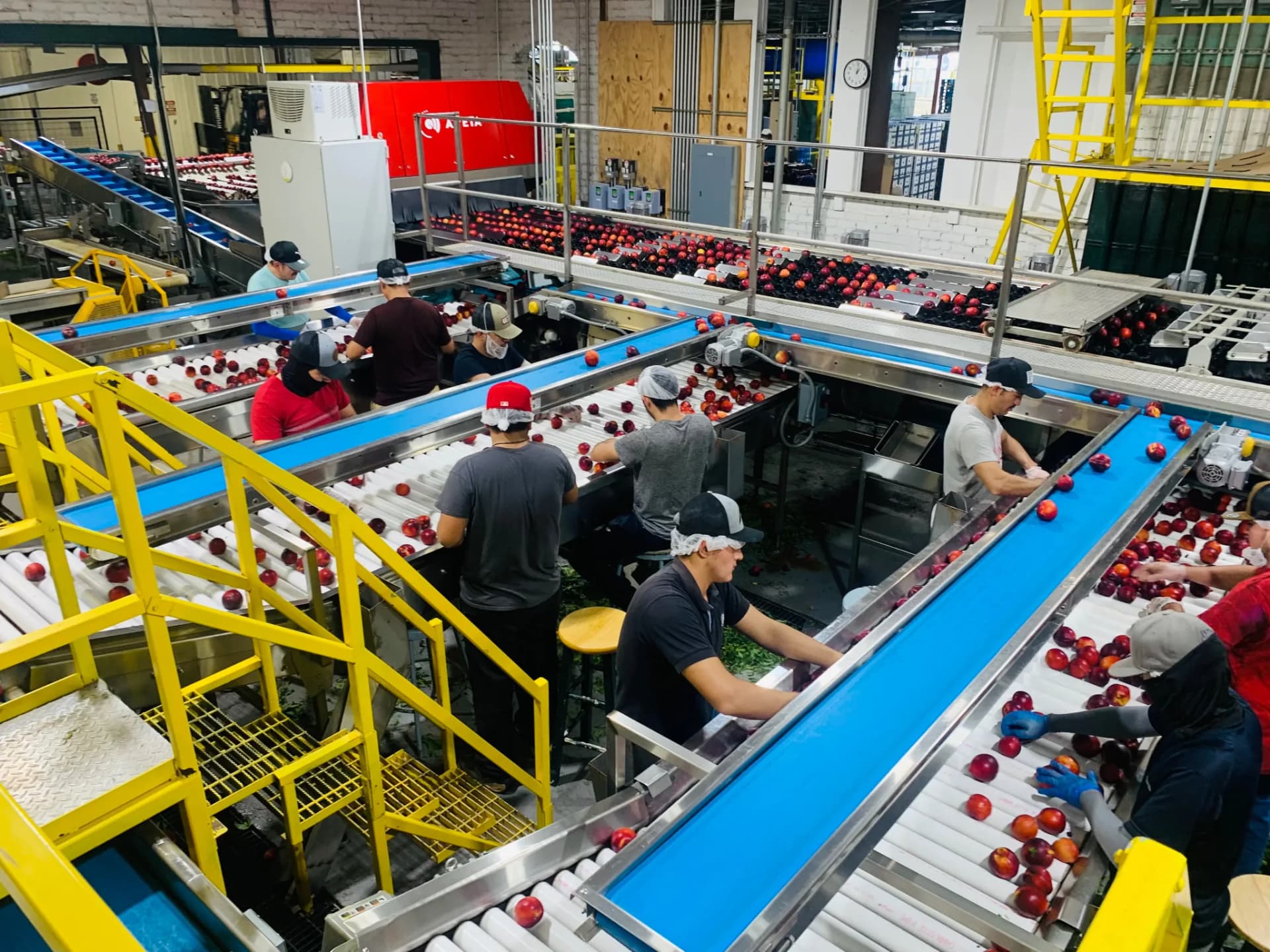
There's a moment in every food manufacturing operation where a workaround stops being a workaround.
It happens slowly. Someone finds a way around a system limitation. It works. They show the person next to them. That person shows the next hire. The original limitation is never fixed because the workaround is handling it. And eventually the workaround gets folded into the onboarding process, passed down like institutional knowledge, described as "how we do things here."
Nobody remembers it was ever a patch. Nobody questions it because it's always been there. The new employee learns it on day two and assumes it's just part of the job.
That's the moment a broken system stops feeling broken.
And it's one of the most expensive moments in food manufacturing operations because once it happens, the problem becomes almost invisible. Not because it went away. Because everyone adapted to it.
What gets passed down
Think about what a new floor employee learns in their first two weeks.
They learn the official process. The one in the training manual, the one the supervisor walks them through, the one that reflects how the system was designed to work. And then, usually within a few days, they learn the real process. The one that actually gets the shift done.
Write the number here first, then enter it into the system at end of shift because jumping between the floor and the terminal mid-task slows everything down. Scan the barcode but cross-check it against the paper list because the scanner misreads certain lot formats often enough that nobody trusts it alone. Record the weight manually because the scale integration hasn't worked reliably since the last software update and nobody has had time to fix it.
None of these are malicious. None of them are lazy. They're rational adaptations to a system that wasn't built well enough to support the work it's supposed to be managing.
The problem is that each adaptation introduces a small gap between what the system records and what actually happened. And those gaps, passed from one employee to the next, compounding across shifts and weeks and years, create an operation where the data trail is a managed approximation of reality rather than a record of it.
"We hired a new QA supervisor and she asked why we logged things the way we did. Nobody could give her a straight answer. It turned out we'd been doing it that way for four years because of a system limitation that had been fixed two years ago. We just never changed the process."
A process built around a limitation that no longer existed, running for two years after the limitation was gone. That's what workarounds become when they get absorbed into the culture.
The normalization problem
The reason workarounds are so hard to identify and fix isn't technical. It's human.
When a process has been running the same way for long enough, it becomes invisible. The people doing it don't experience it as a workaround anymore. They experience it as the job. Questioning it requires a kind of detachment from routine that's difficult to maintain when you're focused on getting the shift done.
This is why new employees are often the best diagnostic tool a food manufacturing operation has. They haven't been trained out of noticing the friction yet. They ask the questions that experienced employees stopped asking years ago.
Why do we write it down here and then enter it into the system separately?
Why does this step require three people when the system should be handling it automatically?
Why do we keep a paper backup of this if the digital system is supposed to be the record of truth?
The answers to those questions, in most operations, reveal a layer of adapted processes built around system limitations, historical decisions that nobody revisited, and manual steps that were supposed to be temporary and became permanent.
"The new hire kept asking why things worked the way they did. At first it was a little frustrating. Then we started realising we couldn't actually explain half of it. That was the more unsettling feeling."
That unsettled feeling is worth paying attention to. It's the signal that the operation has adapted so completely to its limitations that it can no longer see them clearly from the inside.
What it costs to run on adapted processes
The cost of normalised workarounds isn't dramatic. It's accumulated.
Every manual transfer of data from paper to system is a transcription risk. Every double-entry step that exists because the system and the floor can't talk to each other directly is an opportunity for the two records to diverge. Every process that depends on a specific person knowing the specific workaround is a single point of failure. Every new employee trained on the workaround instead of the right process is a compounding of the original problem.
And underneath all of it is a data quality issue that affects every decision made from that data. Inventory counts that drift because the scan process has a workaround that skips certain categories. Yield figures that are approximate because the weight capture process has a manual step that gets estimated under time pressure. Records that are complete enough most of the time, until the one shift where the person carrying the workaround isn't there and nobody else knows how it works.
These aren't visible from a monthly report. They're not dramatic enough to trigger an investigation. They just run, continuously, as a steady drain on accuracy, efficiency, and the reliability of the operation's own data.
"When we finally did a full process audit, we found eleven distinct workarounds that had been running for more than a year. Not one of them had been flagged as a problem. They were all just part of how the plant operated."
Eleven workarounds. Running for more than a year. None of them flagged as problems. That's not unusual. That's what normalization looks like at scale.
What changes when the system works for the floor
The floor team isn't resistant to better systems. They're resistant to systems that create more work than they eliminate.
The workarounds that accumulate over time aren't a sign that the team doesn't care about doing things right. They're a sign that the official system made doing things right harder than doing things the adapted way. The workaround was easier. So the workaround won.
When a system is built around how the floor actually works, the dynamic inverts. Scanning once is easier than writing it down and entering it later. An automatic alert is easier than remembering to check manually. A scale integration that actually works is easier than a manual weight entry that requires a separate step and a separate record.
The workarounds don't get enforced away. They just stop being necessary. And when they stop being necessary, they stop being used. The training changes because the process changes. New employees learn the right way because the right way is finally the easiest way.
That's when the data starts reflecting reality. Not because people became more diligent. Because the system stopped requiring workarounds to function.
The question worth sitting with
When did you last ask your floor team which parts of the official process they actually follow?
Not as an audit. As a genuine question. Because the answer, in most food manufacturing operations, is more revealing than any data report. The gaps between the official process and the real process are exactly where the operation's data quality problems live.
The workarounds your team is running right now aren't just inefficiencies. They're a map of where the system is failing them. And until that map gets read, the adaptations will keep compounding, keep getting passed down, and keep being described as just how things work here.
They don't have to be.
Ready to see what your operation looks like when the system works for the floor instead of against it?
Book a demo at book a demo. We'll show you exactly how Tracktile captures data at the point of work so the workarounds stop being necessary.
Related Articles

Results of Data Insights in Manufacturing
Boost productivity with data insights for food manufacturing. Analyze, optimize, and streamline processes. Make informed decisions and save time!

Adopting the 4 types of Automation in Food & Beverage
Explore 4 levels of manufacturing automation, boost efficiency, and cut costs. Make informed integration choices. Unlock future production potential!
The Transformational Power of Smart Hardware in Food Manufacturing
Learn how smart hardware elevates food manufacturing, enhancing efficiency and traceability. Unlock actionable insights and optimize operations with Tracktile.
Ready to modernize your manufacturing?
See how Tracktile can streamline your operations with a personalized demo.
Book a Demo