You Perfected the Recipe. Now Prove It.
There's a particular kind of founder in the beverage industry. They can tell you exactly why they source their hops from one specific region.
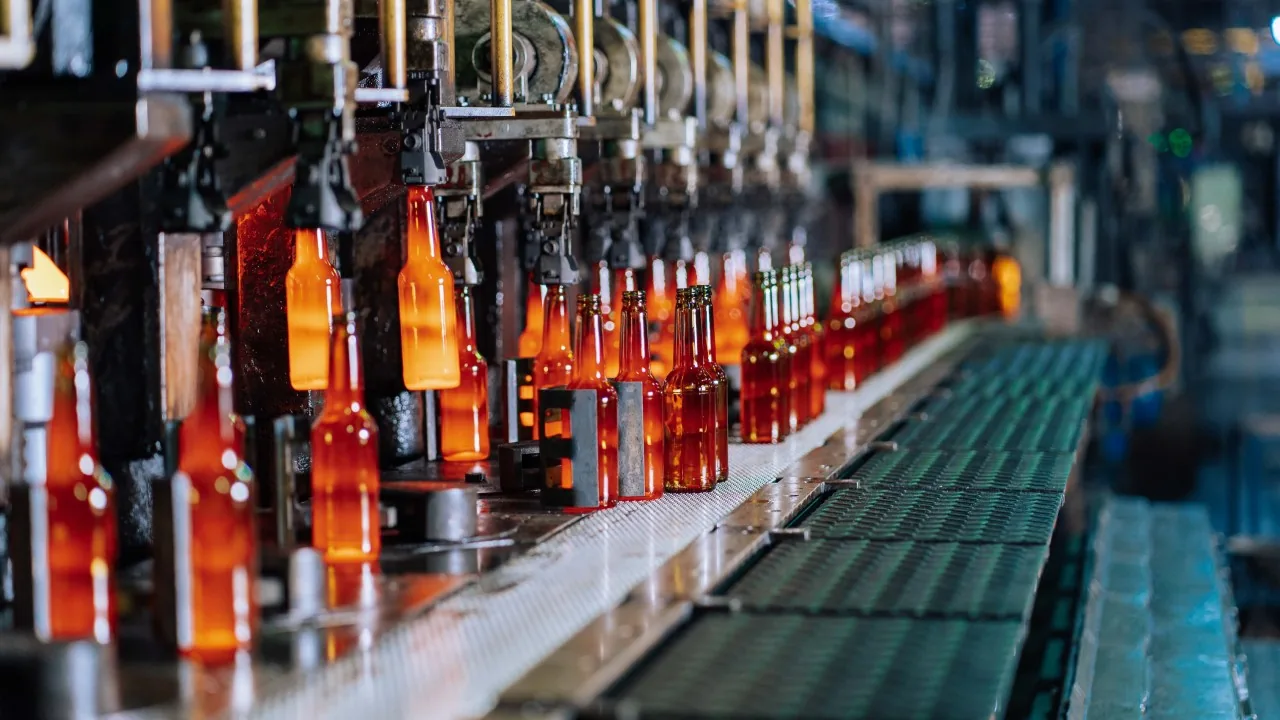
There's a particular kind of founder in the beverage industry.
They can tell you exactly why they source their hops from one specific region. They can explain the precise temperature window that gives their cold-brew its clarity. They have an opinion, a strong one, about water mineral content, fermentation timing, and the difference a single degree makes to the finished product.
Ask them about their batch records and the energy in the room changes.
Not because they don't care. They do. It's just that documentation always felt like the administrative version of the work. The part that happens after the real work is done. The necessary burden of operating in a regulated industry.
So it gets managed. Loosely. Manually. By whoever has time. In a system that was never really designed for it.
Most of the time, that's fine. Until the day it isn't.
The moment the record matters more than the product
Most beverage producers have never experienced a serious traceability event. That's not luck. It's a reflection of how seriously this industry takes quality. The product is good. The processes are careful. The people are diligent.
But here's what shifts as a beverage operation grows.
Retail buyers get more demanding. Major grocery chains, large foodservice distributors, premium off-premise accounts, they don't just want great product anymore. They want documentation that proves the product is what it says it is, every single time, traceable from every ingredient lot to every case that left the facility.
SQF and other GFSI certifications, once optional differentiators, are becoming baseline requirements for shelf access in premium channels. CFIA and FDA traceability requirements keep tightening, particularly around lot-level documentation and supplier verification.
The beverage producers winning the best retail relationships right now aren't necessarily making the best product. They're the ones who can prove, on demand, exactly what went into every batch and exactly where it went.
"We lost a retail opportunity not because of our product. The buyer loved the product. We lost it because our documentation package wasn't complete enough for their supplier compliance review. That one stung."
The recipe got them in the room. The records ended the conversation.
What batch documentation actually requires
This is where a lot of growing beverage operations find a gap they didn't know they had.
Full batch traceability means maintaining a complete, connected record for every production run. Every raw ingredient lot used, in what quantity, from which supplier. Every processing step. Every packaging run. Every customer shipment that received product from that batch.
In a small operation producing a handful of SKUs from a short ingredient list, maintaining that manually is hard but doable. In a growing operation with multiple SKUs, rotating seasonal products, several ingredient suppliers, and production runs drawing from multiple ingredient lots at once, manual documentation starts breaking down.
The gaps aren't intentional. They're structural. Manual systems can't keep pace with the complexity of a scaling beverage operation. The records that result are incomplete, inconsistent, and often impossible to trace backward with the precision a retailer or regulator now expects.
"We had the records. We just couldn't connect them. The ingredient lots were in one place, the batch records in another, the shipping documents somewhere else entirely. Tracing one batch end to end took most of a day."
A day, in a recall scenario or a retailer compliance review, is far too long.
The craft deserves the infrastructure
The same obsessive attention to detail that goes into developing the product, the sourcing decisions, the process refinements, the quality standards, should be going into the documentation behind it. Not because regulators require it. Because the product deserves it.
Every great batch has a story. The specific hop lot that came in at exactly the right moisture content. The fermentation run that hit every parameter. The cold-brew batch that took three weeks to dial in and has been a bestseller ever since. That story exists in the production record. In most operations it just never gets told properly because the record was never built to tell it.
Tracktile builds that record automatically as the batch runs. Every ingredient lot is linked to the production run at intake. Every processing step is recorded in sequence. Every packaging run ties back to the batch it came from. Every shipment records which cases, from which batch, went to which customer.
When a retailer asks for batch verification, the answer is ready before anyone starts looking. When an SQF auditor arrives, the documentation generates from the system rather than from a filing cabinet. When a supplier flags a quality concern on a specific ingredient lot, your team knows within minutes which batches it touched and which customers need to be contacted.
The craft is protected. Not just in the glass. In the record.
The question worth asking
How much of your operation's documentation reflects the same standard as your product?
Not on a good week when everything was logged properly. On a normal production day, when the floor was moving fast and the records were being maintained by people who had ten other things to handle.
The beverage producers building the most durable businesses right now have figured out that documentation isn't the administrative cost of making a great product. It's part of what makes it great. Proof, on demand, that every batch was made exactly as well as you say it was.
That's not a burden. That's a competitive advantage.
Ready to see what your batch records look like when they build themselves?
Book a demo at book a demo. Show us your operation and we'll show you exactly what full beverage traceability looks like when it runs automatically, from the first ingredient scan to the last case out the door.
Related Articles

The Important Levels of Record-Keeping in Food Manufacturing
Unlock success in food manufacturing with optimal record-keeping in inventory, quality control, production, and packaging for safety, quality, and efficiency

Scale and grow with manufacturing cloud-based software
Dive into how cloud-based manufacturing software enhances scalability, efficiency, and collaboration. Learn its cost benefits, automation features, and how it paves the way for sustainable growth in a competitive market.
Unique Challenges in Food Manufacturing, can Automation Help?
Explore how automation enhances food manufacturing, optimizing inventory, boosting quality control, increasing production, and improving packaging.
Ready to modernize your manufacturing?
See how Tracktile can streamline your operations with a personalized demo.
Book a Demo