The Most Expensive Spreadsheet
Picture this: It's Thursday afternoon. Your plant manager is heads-down at their desk. Not walking the floor. Not solving a production problem.
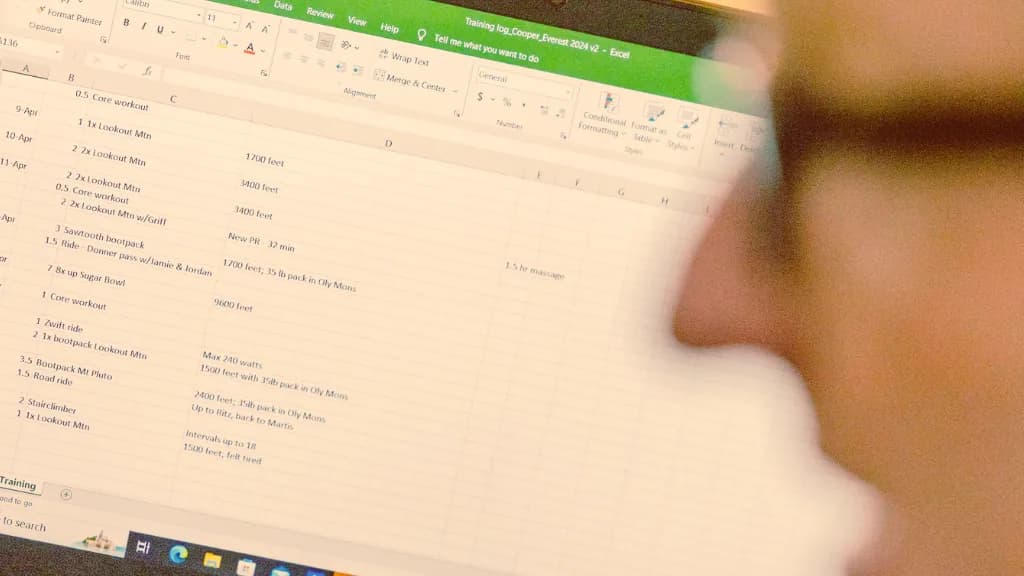
Picture this: It's Thursday afternoon.
Your plant manager is heads-down at their desk. Not walking the floor. Not solving a production problem. Not talking to a customer or figuring out how to squeeze more throughput out of Line 3.
They're building next week's production schedule. In Excel. The same way they did last Thursday. And the Thursday before that.
And if you asked them how long it takes, honestly, they'd probably say somewhere between two and four hours. Every single week. For a forecast that's outdated the moment something unexpected hits the floor.
This is the most expensive spreadsheet in your building. And almost nobody talks about it.
The planning problem nobody names
Here's what I've seen in food plants across the country: the plant manager is almost always the smartest operational mind in the building. They know the constraints. They know the team. They know which SKUs are a nightmare to run back-to-back and which suppliers you can push and which ones you can't.
That knowledge is genuinely valuable. It's the kind of thing that takes years to build.
And right now, a significant chunk of it is being spent manually translating what they know into a spreadsheet that someone else will have to decode next week.
That's not a planning system. That's institutional knowledge trapped in a format that doesn't scale.
"You're not short on forecasting data. You're short on a system that actually uses it."
The inputs exist. Demand history, inventory levels, production capacity, lead times. it's all somewhere. It's just scattered. And the job of pulling it together, sense-checking it, and turning it into an actionable plan falls on whoever has the most context. Which is usually the person who also has the least time.
Why this persists
The reason most plants haven't fixed this is the same reason most manual processes stick around: the cost is invisible until it accumulates into something you can't ignore.
Nobody experiences a four-hour planning session as a systems failure. They experience it as Thursday. It's just how it gets done. The plan comes together, the week moves forward, and there's always something more urgent than rethinking the process that produced it.
But here's what that invisible cost actually looks like across a year. It's a plant manager who hasn't had a full week on the floor in months. It's a forecast that's always slightly behind because the inputs are always slightly stale. It's a team that's reacting to the plan instead of improving it, because the plan arrives too late to do anything except execute it.
"The spreadsheet doesn't just cost you time. It costs you the decisions that didn't get made while someone was building it."
What changes when forecasting just happens
Now picture a different Thursday afternoon.
The plant manager is on the floor. They're watching a changeover, asking questions, catching something early. The production schedule for next week already exists, built automatically, based on real constraints, current inventory, and demand signals that updated this morning.
It's not a perfect forecast. No forecast is. But it's a real starting point that reflects what's actually true about the operation right now, not what was true when someone last touched the spreadsheet.
The planning work didn't disappear. It just stopped being manual. And the two to four hours that used to go into building the plan are now going into improving it.
That's not a small shift. That's the difference between a plant manager who's managing the business and one who's documenting it.
What the best operations are doing differently
I've visited over 50 food plants. The ones that are scaling without hiring just to manage the paperwork aren't doing anything exotic. They've just stopped tolerating the gap between what their team knows and what their systems can do.
They treat planning as infrastructure, not as a recurring task. They expect their tools to carry the routine work so their people can carry the hard work.
And the result isn't just a faster forecast. It's a plant manager who has the time and headspace to actually manage the plant.
"The operations that pull ahead aren't the ones with better spreadsheets. They're the ones that stopped needing them."
What this looks like in practice
The first thing that changes is obvious: the planning cycle gets faster. What used to take most of Thursday afternoon now takes a review and a few adjustments.
The second thing is less obvious but more valuable: the quality of the plan improves. Not because the system is smarter than your plant manager. Because the system doesn't get pulled away mid-build to deal with a floor issue. The inputs are current. The constraints are accurate. The output is actually usable from the moment it's generated.
The third thing is the one most teams don't anticipate until they're on the other side of it: the plant manager starts showing up differently. Not because their job got easier, but because their job got cleaner. The work that was draining them quietly, week after week, isn't there anymore.
That change compounds. Fast.
The question worth asking this week
If your best operational mind spent four fewer hours on planning every week, what would they do with it?
If the answer is something that would actually move your business forward, that's the gap worth closing.
We built a forecasting tool that works on your actual constraints, your capacity, your inputs, your operation , and gives you a real recommendation you can act on before the week starts. Not a template. Not a starting point you have to rebuild. A real output.
We're opening early access to 100 plants. If your team is still planning manually and you're ready to change that, we want you on the list.
Join the early access list: book a demo
Related Articles

5 Benefits of Batch Tracking
Lot and batch tracking in Food and Beverage has never been more important than it is today. Traceability is a must!
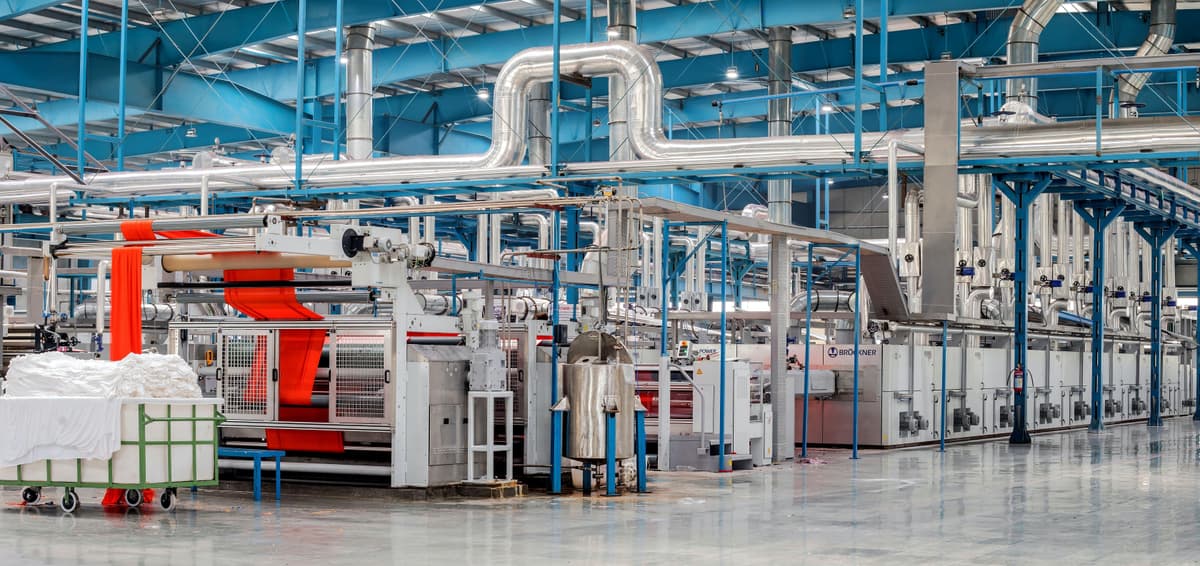
Boost Productivity: Comprehensive Food Manufacturing Software
Discover how integrating ERP, MRP, MES, and QMS into a unified platform helps food manufacturers centralize operations, improve quality, and stay competitive.
The ABCs of ERP, MRP and MES in Manufacturing
Dive into the roles of ERP, MRP, and MES in food and beverage manufacturing. Unravel their distinct functions and the power of integration for optimal operations.
Ready to modernize your manufacturing?
See how Tracktile can streamline your operations with a personalized demo.
Book a Demo