Why Most Food Plants Still Run on Spreadsheets
If you walk into most food plants today, you will still find the operation being held together by spreadsheets, whiteboards, binders, and sticky notes.
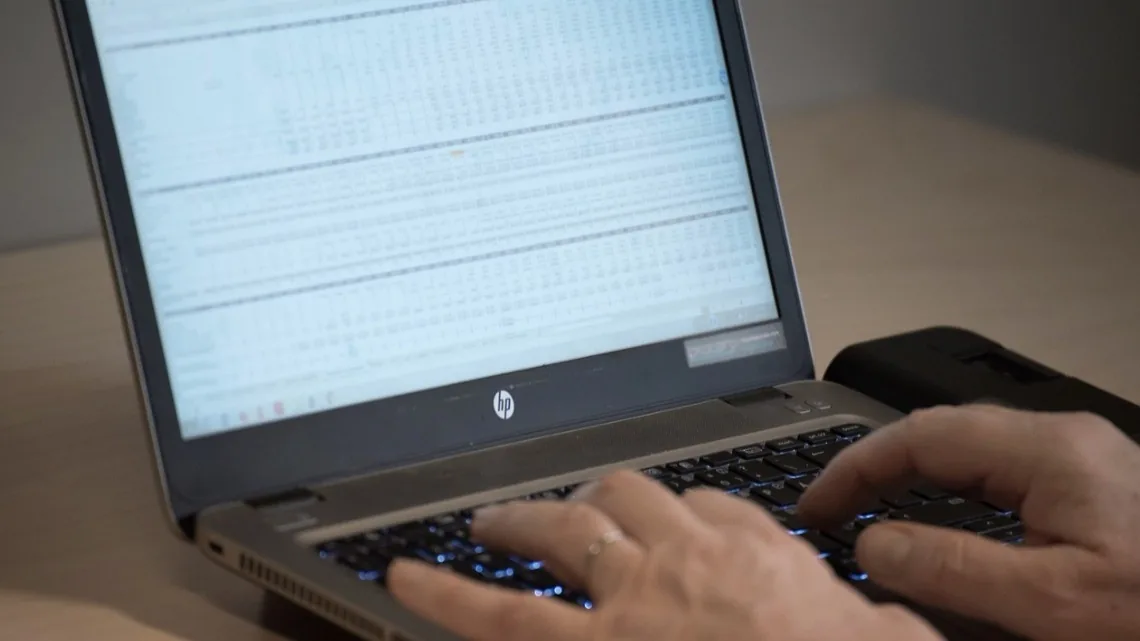
If you walk into most food plants today, you will still find the operation being held together by spreadsheets, whiteboards, binders, and sticky notes.
Not because teams prefer it.
Because it is what has always worked, until it does not.
Production Moves Fast. Information Does Not.
When information is not available when it is needed, teams compensate.
They write things down. They update spreadsheets after the fact. They double check numbers manually. They reconcile discrepancies at the end of the day.
Over time, these workarounds become the system.
Not by design, but by necessity.
The System Teams Build Around That Delay
When information is not available when it is needed, teams compensate.
They write things down. They update spreadsheets after the fact. They double-check numbers manually. They reconcile discrepancies at the end of the day.
Over time, these workarounds become the system.
Not by design, but by necessity.
Where Spreadsheets Start to Break
Spreadsheets work in the early stages.
When SKU counts are low. When production is simple. When one person can keep most of the operation in their head.
But as the plant grows, complexity increases.
More SKUs. More volume. More traceability requirements. More reporting expectations.
The production system evolves.
The information system usually does not.
That is when spreadsheets stop being helpful and start creating friction.
The Hidden Cost of Slow Information
When data lags behind production, problems compound quietly.
A yield issue happens early in the day.
No one sees it.
Production continues based on incorrect assumptions.
By the time it shows up in a spreadsheet, the plant has already absorbed the cost.
This is where margins disappear.
Not from one big mistake, but from delayed visibility.
Why This Is Not an Effort Problem
Most teams are already working hard.
They are tracking, checking, reconciling, and fixing issues as they appear.
The problem is not effort.
It is that the system depends on effort to function.
And effort does not scale.
The Shift That Changes the Outcome
The plants that move past spreadsheets do not just upgrade tools.
They change how information flows.
Data is captured as production happens. Inventory updates in real time. Traceability is built into the process. Reporting becomes a byproduct of operations.
That shift removes delay.
When delay is removed, most of the downstream problems disappear with it.
The Bottom Line
You can run a food plant on spreadsheets for a long time.
But at a certain point, you are no longer controlling operations.
You are reacting to them.
Reaction is where profitability starts to erode.
Sounds Familiar?
If your plant is still relying on spreadsheets, whiteboards, and manual updates to understand what is happening, it is worth taking a closer look at how your information actually moves.
Did this article resonate? See how to get your data moving at the same speed as your production line: book a call.
Related Articles
Manufacturing analytics and understanding the metrics that matter
Explore how food and beverage manufacturers can harness data analytics to track the metrics that matter, optimize operations, and drive profitability.

Embracing Technology for Orders and Shipments
Discover why automation and technology transform food and beverage manufacturing with efficient orders and shipping.
The Reason AI Keeps Stalling in Food Manufacturing Has Nothing to Do With the Technology
A plant manager I know spent eight months evaluating AI forecasting tools last year. Demos. Proposals. Reference calls.
Ready to modernize your manufacturing?
See how Tracktile can streamline your operations with a personalized demo.
Book a Demo